
Admissions
- Important Admission Notice
- F.E. Admission Schedule
- Fees Structure (F.E./D.S.E.)
- Documents List 2024-25
- Indemnity Bond for Return of SC
Connect with us
Enquire Now
Electrical Engineering
Overview or About the branch
Electrical Engineering is at the heart of modern infrastructure and innovation. From powering cities to enabling electric mobility and smart grids, electrical engineers are the architects of energy and automation systems that shape our everyday lives.
At ViMEET, the Electrical Engineering program is designed to equip students with both core knowledge and modern tools. The curriculum blends theoretical foundations in circuits, machines, and power systems with practical exposure to control systems, embedded technologies, renewable energy, and industrial automation. Students are encouraged to innovate, explore interdisciplinary domains, and develop real-world solutions through hands-on projects and industry-linked activities.
Whether it’s through lab simulations, fieldwork, internships, or technical competitions — the department ensures that graduates are not only job-ready but also future-ready.
Intake Capacity

Career Opportunities
- Electrical Design Engineer – Design power systems, circuits, and infrastructure for industries or buildings.
- Control Systems Engineer – Design and maintain automation systems in manufacturing and robotics.
- Maintenance & Operations Engineer – Ensure smooth functioning of electrical machinery in industries, plants, and public services.
- Embedded Systems Engineer – Develop microcontroller-based systems used in EVs, medical devices, and IoT.
- Renewable Energy Engineer – Design and manage solar, wind, and hybrid energy systems.
- EV Systems & Battery Engineer – Build and maintain systems for electric vehicles and energy storage.
- Smart Grid/IoT Engineer – Work on intelligent energy networks using IoT and data analytics.
Industries Hiring Civil Engineers
- Core/Energy – Tata Power, Adani Electricity, Reliance Energy, NTPC, BHEL, Siemens, Schneider Electric, ABB, L&T Power
- Automotive & EVs – Tata Motors, Mahindra Electric, Ola Electric, Bosch, Tesla (for global aspirants)
- Industrial & Automation – Honeywell, Rockwell Automation, GE, Hitachi Energy
- Tech & Consulting – Infosys, TCS, Wipro (for embedded and control systems roles)
- PSUs & Govt. – Indian Railways, DRDO, ISRO, PGCIL, GAIL, SAIL, and other government utilities (via GATE, UPSC, etc.)
Higher Studies & Research
- M.Tech / ME in: Power Systems, Control Engineering, Renewable Energy, Embedded Systems, VLSI Design, Energy Management
- MS / PhD in: Electric Vehicles, Sustainable Energy, Artificial Intelligence in Electrical Systems, Smart Grids, Robotics
From the Desk of the HoD
Greetings!
“Electricity is the power that drives modern life — but it is engineers who give it direction.”
– Anonymous
The Department of Electrical Engineering at ViMEET is committed to delivering quality education that blends strong theoretical knowledge with practical application. Our curriculum is aligned with evolving industry trends, with a strong focus on power systems, automation, renewable energy, and embedded technologies.
Backed by experienced faculty and modern infrastructure, we strive to develop engineers who are technically proficient, ethically responsible, and capable of creating meaningful impact in society.
We look forward to guiding our students toward impactful and future-ready careers in this dynamic field.
Warm regards,
Warm regards,
Dr. sharvari sane
Head of the Department
Electrical Engineering, ViMEET
Department Vission
To become a center of excellence in Electrical Engineering education and innovation, producing competent, ethical, and socially responsible engineers who contribute to sustainable technological advancements and societal development.
Department Mission
- To impart strong theoretical and practical knowledge in core and emerging areas of Electrical Engineering.
- To foster innovation, problem-solving, and research through industry collaboration and modern infrastructure.
- To nurture ethical, environmentally conscious, and globally competitive graduates.
- To encourage lifelong learning, leadership, and entrepreneurship in students for successful professional growth.
Program Educational Objectives (PEOs)
- Establish professional competence by applying core electrical engineering knowledge to solve complex technical problems in industries and research.
- Pursue lifelong learning through higher studies, certifications, or innovation-driven entrepreneurial ventures.
- Demonstrate leadership and ethics by contributing responsibly to society and the environment through engineering solutions.
- Adapt to emerging technologies and interdisciplinary fields to remain relevant in a global professional environment.
Program Specific Objectives (PSOs)
- Design and analyze electrical systems such as power generation, transmission, distribution, and industrial automation using modern engineering tools.
- Develop and implement control systems, embedded technologies, and renewable energy-based solutions for real-world applications.
- Evaluate and optimize energy-efficient and sustainable solutions while considering societal, economic, and environmental impact.
Program Outcomes (POs)
- Engineering Knowledge – Apply knowledge of mathematics, science, and engineering fundamentals to solve complex problems.
- Problem Analysis – Identify, formulate, and analyze engineering problems to reach valid conclusions.
- Design/Development of Solutions – Design systems or components to meet specified needs with consideration for public health, safety, and environmental impact.
- Conduct Investigations – Use research-based knowledge and methods to draw conclusions from data and experiments.
- Modern Tool Usage – Apply appropriate modern tools and techniques with an understanding of their limitations.
- The Engineer and Society – Assess societal, health, legal, and cultural issues relevant to engineering practice.
- Environment and Sustainability – Understand environmental impact and demonstrate knowledge of sustainable development.
- Ethics – Commit to ethical principles and professional responsibilities.
- Individual and Team Work – Function effectively as an individual or team member in diverse environments.
- Communication – Communicate effectively with engineering community and society at large.
- Project Management and Finance – Apply engineering and management principles to lead projects in multidisciplinary settings.
- Lifelong Learning – Recognize the need for lifelong learning and develop the ability to engage in it continuously.
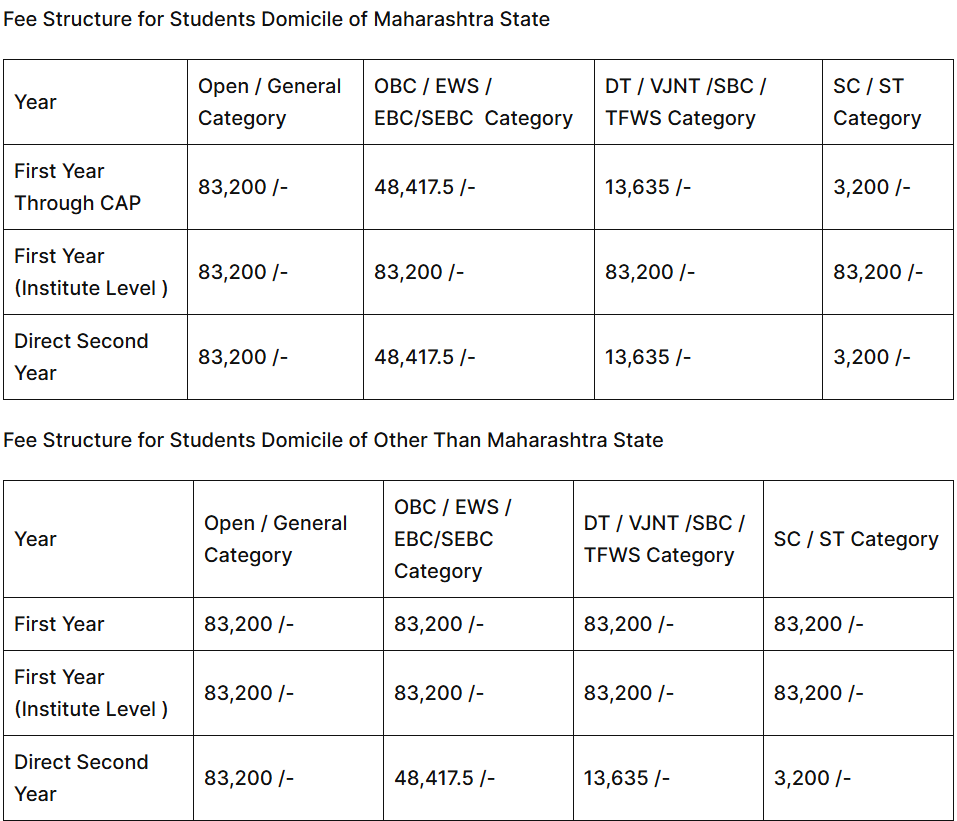
Fees Structure
Faculty & Staff
Department Achievements
(Click Here)
Why Choose Us ??
At ViMEET, the Department of Electrical Engineering is more than just academics — it’s a launchpad for future-ready engineers. Our curriculum is aligned with modern industry demands, focusing on emerging areas such as smart grids, renewable energy systems, automation, and embedded technologies. Through a blend of classroom learning and hands-on experience, students gain both technical depth and practical insight.
We offer state-of-the-art laboratories, expert faculty with strong industry and research backgrounds, and a vibrant learning ecosystem supported by Project-Based Learning (PBL). Our students regularly participate in national competitions, internships, workshops, and industry-driven projects that shape them into professionals who are technically sound and ethically responsible.
From core electrical roles to interdisciplinary domains like IoT, EVs, and automation, ViMEET prepares students to thrive in diverse engineering careers, higher studies, and entrepreneurial ventures.
Frequently Asked Questions (FAQs)
1.What is Electrical Engineering and what will I learn in this program?
Electrical Engineering deals with the study and application of electricity, electronics, and electromagnetism. At ViMEET, you’ll learn about power systems, machines, circuits, control systems, renewable energy, automation, embedded systems, and modern electrical technologies.
2. What skills will I develop during the course?
You will gain skills in:
- Circuit design and analysis
- Simulation and software tools (like MATLAB, PSCAD, AutoCAD Electrical)
- Control systems and instrumentation
- Problem-solving and critical thinking
- Practical exposure through labs, projects, and internships
- Teamwork, communication, and ethics
3. Is coding required in Electrical Engineering?
Basic coding knowledge is beneficial, especially in areas like automation, embedded systems, and control systems. Languages like C, Python, and MATLAB are commonly used for simulations and system programming.
4. Can I shift to software or IT-related jobs after completing Electrical Engineering?
Yes, many Electrical Engineering graduates successfully transition to careers in software development, data analytics, cybersecurity, and IT services by learning relevant programming and software skills during or after the program.
5. What is the difference between Electrical and Electronics Engineering?
Electrical Engineering focuses more on power systems, generation, transmission, and large-scale electrical infrastructure. Electronics Engineering emphasizes smaller circuits, communication systems, and microelectronics.
6. Is good knowledge of mathematics required?
Yes, mathematics forms the foundation of electrical engineering concepts such as signal processing, circuit analysis, and control systems. However, with consistent practice and support, students can gain the necessary proficiency.
7. Are there internship opportunities during the program?
Absolutely. ViMEET partners with industries and organizations to offer internships, industrial visits, and project collaborations that give students real-world exposure.aking abilities — all crucial for on-site and office-based roles.ls.