
Admissions
- Important Admission Notice
- F.E. Admission Schedule
- Fees Structure (F.E./D.S.E.)
- Documents List 2024-25
- Indemnity Bond for Return of SC
Connect with us
Enquire Now
Electronics & Telecommunications Engineering
Overview or About the branch
Electronics & Telecommunication Engineering is the backbone of today’s connected world. From 5G mobile networks and satellite links to smart‑medical devices, autonomous vehicles, defence radars and the Internet‑of‑Things, EXTC engineers design the hardware and communication protocols that keep the globe talking, streaming and innovating.
At ViMEET, the four‑year B.Tech. programme in Electronics & Telecommunication Engineering blends solid foundations in circuits, signals and digital systems with future‑ready modules on VLSI design, RF & microwave engineering, embedded and IoT platforms, wireless networks, optical communication, data compression & encryption, and 5G/6G technologies.
Intake Capacity

Career Opportunities
- Telecommunication Engineer – Plan, install, and optimize telecom networks including 4G/5G, fiber optics, and satellite systems.
- RF & Microwave Engineer – Design antennas, radar systems, and RF front ends for aerospace, defence, and telecom.
- Embedded Systems Engineer – Work on microcontroller-based hardware and firmware for automation, wearables, and smart devices.
- VLSI/FPGA Design Engineer – Develop ICs and programmable logic devices used in smartphones, robotics, and automotive electronics.
- Signal Processing Engineer – Analyze and process signals in areas like audio, video, biomedical, seismic, and radar.
- IoT Architect – Build interconnected devices for smart homes, healthcare, agriculture, and industry 4.0 applications.
- Network Security Analyst – Protect communication networks from cyber threats through encryption and secure protocols.
- System Design/Test Engineer – Develop and validate communication hardware for reliability and performance.
- R&D Engineer – Join labs like ISRO, DRDO, or CSIR for innovation in defence, aerospace, and wireless tech.
- Techno-Manager / Consultant – Bridge the gap between engineering and business in tech firms or startups.
Industries Hiring EXTC Engineers
- Telecom & Networking: Jio, Airtel, Ericsson, Nokia
- Semiconductors & VLSI: Intel, AMD, NXP, Qualcomm, Cadence
- Defence & Aerospace: DRDO, ISRO, BEL, HAL
- Consumer Electronics: Samsung, Sony, LG
- Automotive Electronics: Bosch, Tata Motors, Mahindra Electric
- IoT & Automation: Siemens, Schneider Electric, Honeywell
- IT & Software: Infosys, TCS, Wipro, Capgemini
- Startups: Embedded and DeepTech firms in healthcare, EVs, agritech, and more
Higher Studies & Research
- M.Tech / MS in Communication Systems, VLSI, Embedded Systems, Signal Processing, or IoT
- MBA in Tech Management or Operations
- Ph.D. in areas like RF Systems, Quantum Communication, Smart Grids, or AI-Driven Networks
From the Desk of the HoD
Dear Students and Visitors,
“Communication is the nervous system of a digital planet. Those who master its signals will architect the future.”
Welcome to the Department of Electronics & Telecommunication Engineering at ViMEET — where innovation meets application. Our department is committed to shaping engineers who are not only technically sound but are also creative thinkers, problem-solvers, and ethical leaders. With a strong focus on Project-Based Learning (PBL), students here learn by doing — solving real-world problems from their very first year.
We offer a future-ready curriculum that blends core electronics with emerging areas like 5G/6G technologies, VLSI, IoT, embedded systems, and AI in communication. Our well-equipped labs, research-driven faculty, and strong industry collaborations ensure our students are exposed to the latest tools, techniques, and trends. Beyond academics, we foster all-round growth through tech clubs, innovation cells, and outreach initiatives.
At ViMEET, we don’t just prepare students for jobs — we prepare them to lead the next wave of technological change. I invite you to be part of this transformative journey and build the future with us.
Warm regards,
Dr. Jyoti Ramesh Gangane
Head of the Department
Electronics & Telecommunication Engineering, ViMEET
Department Vission
To emerge as a premier hub of excellence in Electronics & Telecommunication Engineering by nurturing innovation, interdisciplinary research, and hands-on expertise—empowering students to design intelligent, sustainable, and globally relevant communication solutions that shape the future of technology.
Department Mission
- To impart strong fundamentals in electronics and communication engineering through an outcome-based and project-driven learning approach.
- To nurture industry-ready engineers through hands-on training, interdisciplinary projects, and exposure to emerging technologies such as 5G/6G, VLSI, Embedded Systems, and IoT.
- To promote ethical practices, environmental responsibility, and social awareness in engineering solutions.
- To encourage innovation, entrepreneurship, and continuous learning by fostering collaboration with academia, industry, and research institutions.
- To support students in pursuing higher education, research, and leadership roles across national and global platforms.
Program Educational Objectives (PEOs)
- Apply principles of electronics, signal processing, communication, and embedded systems to solve real-world engineering problems.
- Excel in industries such as telecom, semiconductors, automotive, aerospace, and IoT, or pursue advanced studies and research.
- Exhibit leadership, effective teamwork, and ethical responsibility in multidisciplinary and multicultural environments.
- Continuously learn, adapt to emerging technologies, and drive innovation through entrepreneurial or research-driven pursuits.
- Develop sustainable and socially responsible solutions that positively impact communities and the environment.
Program Specific Objectives (PSOs)
- Analyze, design, and implement analog and digital communication systems, including wireless, optical, and embedded technologies.
- Use tools like MATLAB, LabVIEW, CAD, and VLSI/EDA software to solve complex engineering problems involving signal processing, microelectronics, and telecommunication networks.
- Build smart and secure systems by applying knowledge of IoT, 5G/6G, embedded AI, and automation across domains like healthcare, automotive, and defense.
Program Outcomes (POs)
POs are a set of 12 standardized skills/abilities that every engineering graduate must have at the time of graduation (as defined by NBA/AICTE).
- Engineering Knowledge – Apply knowledge of mathematics, science, and engineering fundamentals to solve complex problems.
- Problem Analysis – Identify, analyze, and formulate engineering problems using principles of electronics and communication.
- Design/Development of Solutions – Design solutions for real-life challenges, considering safety, sustainability, and societal needs.
- Conduct Investigations – Perform experiments, analyze data, and interpret results to draw valid conclusions using research-based knowledge.
- Modern Tool Usage – Use modern tools and software for design, simulation, and analysis with awareness of their limitations.
- Engineer and Society – Assess societal, health, legal, and cultural issues in engineering practice.
- Environment and Sustainability – Understand the impact of engineering solutions on the environment and promote sustainable practices.
- Ethics – Commit to professional ethics and responsibilities in engineering roles.
- Individual & Team Work – Function effectively as an individual and as a team member/leader in multidisciplinary teams.
- Communication – Communicate effectively through reports, presentations, and design documentation.
- Project Management & Finance – Apply management and financial principles to engineering projects.
- Lifelong Learning – Engage in lifelong learning to keep pace with evolving technology and professional development.
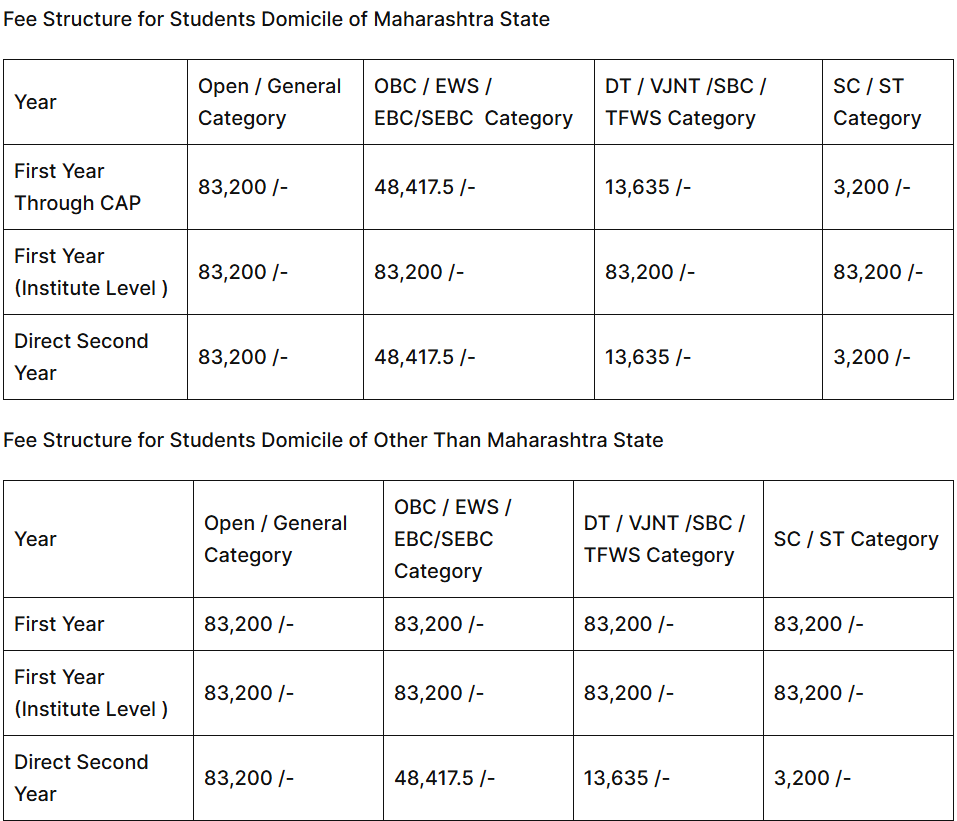
Fees Structure
Faculty & Staff
Department Achievements
Why Choose Us ??
Choosing the Department of Electronics & Telecommunication Engineering at ViMEET offers students a comprehensive and future-focused academic experience. The department follows a distinctive Project-Based Learning (PBL) methodology, enabling students to apply theoretical knowledge to real-world challenges from the beginning of their academic journey.
Our curriculum is carefully designed to stay aligned with emerging technologies such as 5G/6G communication systems, VLSI design, Internet of Things (IoT), Embedded Systems, and AI integration, ensuring graduates are well-prepared to meet the evolving demands of the industry. Supported by well-equipped laboratories, experienced and research-oriented faculty, and strong industry partnerships, the department fosters a learning environment that emphasizes both academic excellence and practical proficiency.
Students benefit from opportunities such as internships, live projects, research initiatives, and skill development programs that prepare them for higher studies, professional success, and entrepreneurial ventures. At ViMEET, we aim to nurture responsible, technically competent, and industry-ready engineers equipped to make meaningful contributions to society and technology.
Frequently Asked Questions (FAQs)
1. What is Electronics & Telecommunication Engineering, and what does it cover?
Electronics & Telecommunication Engineering (EXTC) focuses on the design, development, and application of electronic devices and communication systems. The field covers areas like digital and analog communication, signal processing, embedded systems, VLSI design, IoT, and wireless networks.
2. What makes ViMEET’s EXTC program unique?
ViMEET follows a Project-Based Learning (PBL) model that emphasizes hands-on experience from the first year. The curriculum is aligned with industry trends and incorporates emerging technologies such as 5G/6G, IoT, VLSI, embedded AI, and smart communication systems.
3. What kind of labs and infrastructure are available?
The department is equipped with state-of-the-art laboratories for communication engineering, signal processing, embedded systems, VLSI design, and IoT applications, offering students practical exposure on par with industry standards.
4. Are internships and industry projects part of the program?
Yes, students are encouraged to take up internships, live industry projects, and research collaborations. ViMEET has established strong partnerships with companies and research centers to ensure practical exposure and skill development.
5. Is coding important in EXTC Engineering?
While not the sole focus, coding is important for areas like embedded systems, IoT, automation, and digital signal processing. Students gain programming experience in C/C++, Python, MATLAB, and relevant simulation tools.
6. Does the department offer support for placements?
Yes. ViMEET has a dedicated Training & Placement Cell that conducts aptitude training, mock interviews, resume building workshops, and connects students with top recruiters from core electronics and IT industries.